


What you'll work on
Key topics and competencies students will acquire and develop during their learning journey.
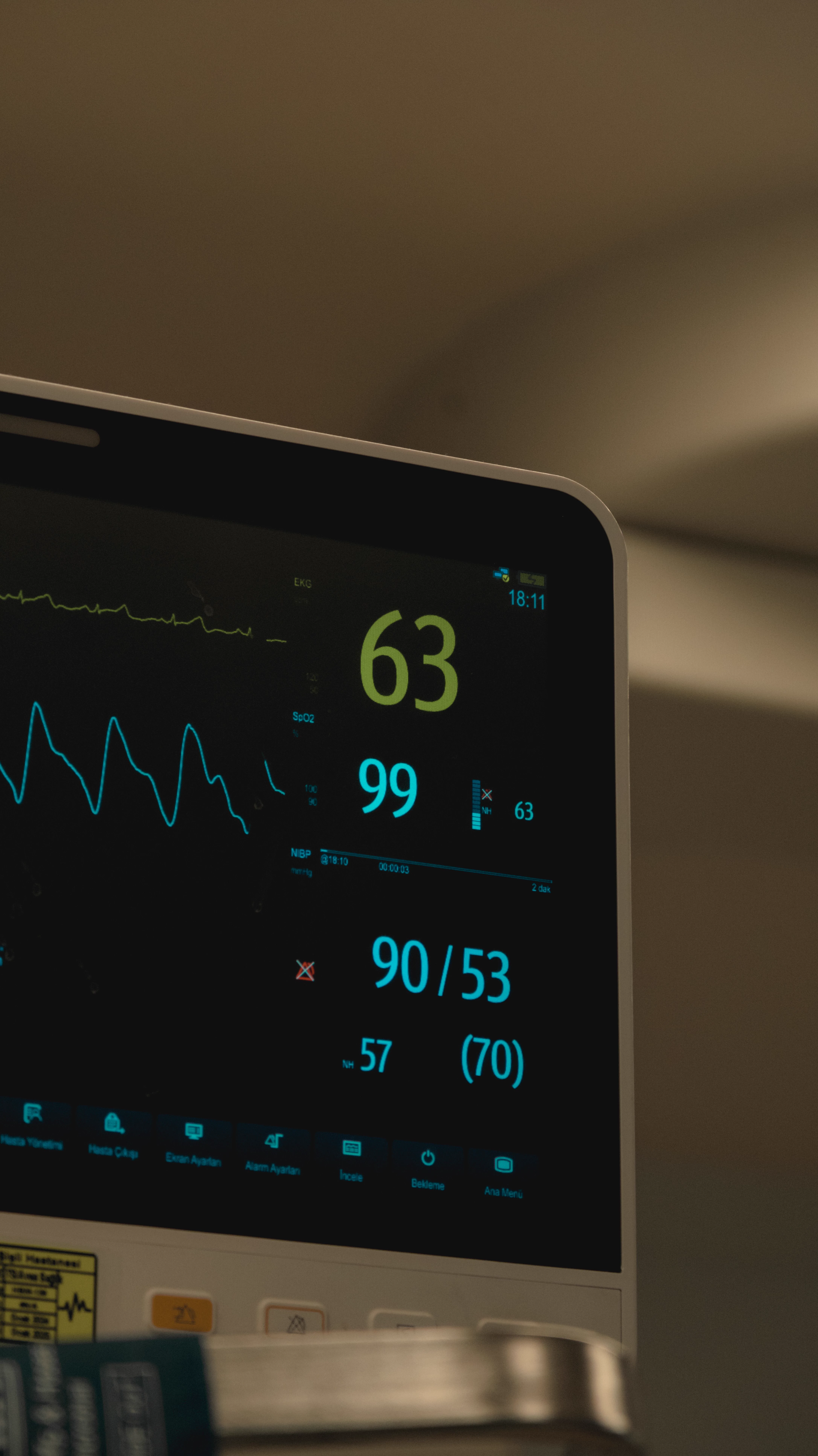
Introduction to Clinical Reasoning and Patient Care
This module aims to help you understand how doctors assess patients, gather medical history, and make clinical decisions. It builds foundational skills in critical thinking, teamwork, and patient communication.
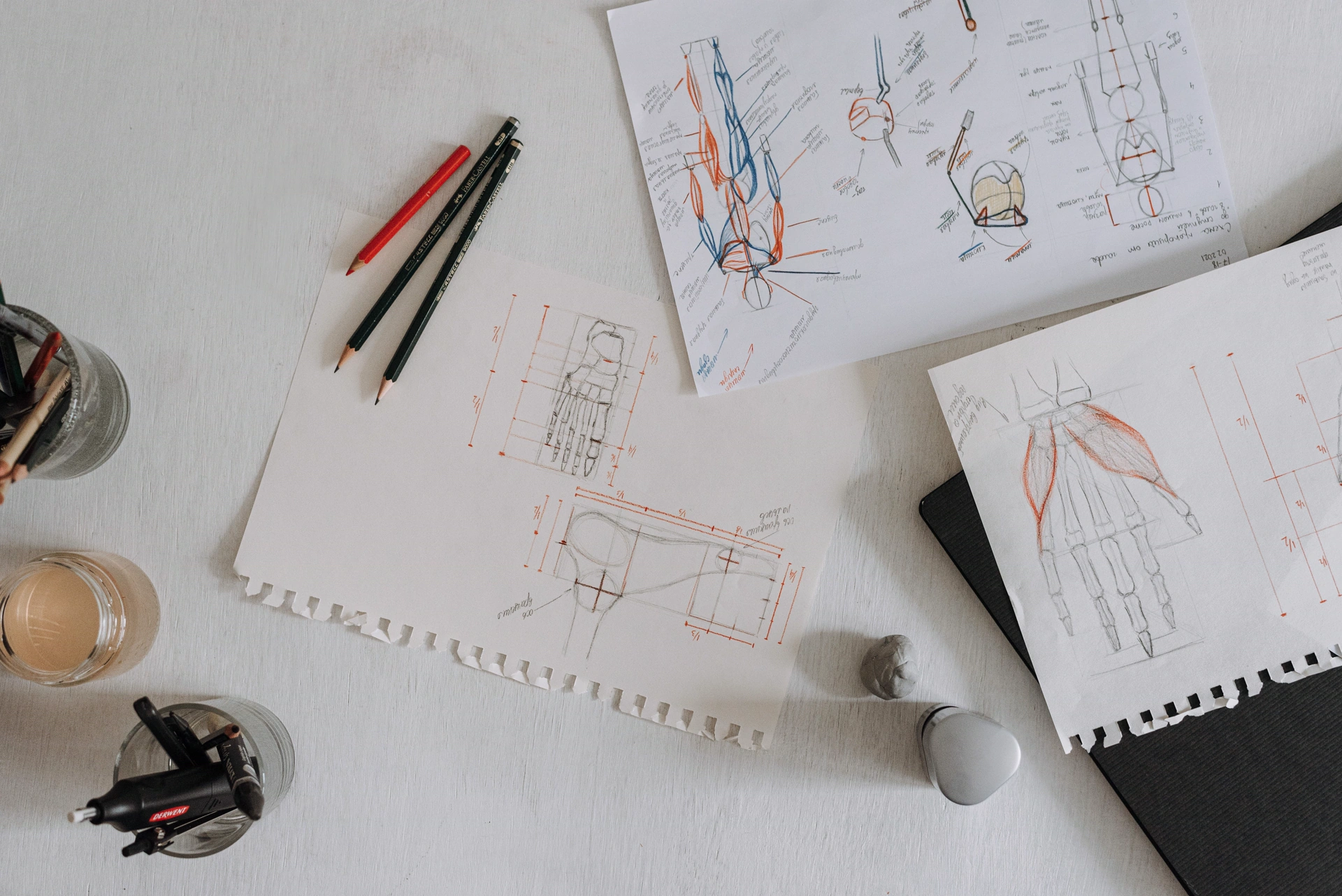
Fundamentals of Human Anatomy & Physiology
This module helps you explore key organ systems and their functions, linking medical science with real-world health conditions. The sessions will introduce basic medical terminology and disease mechanisms in an accessible way.
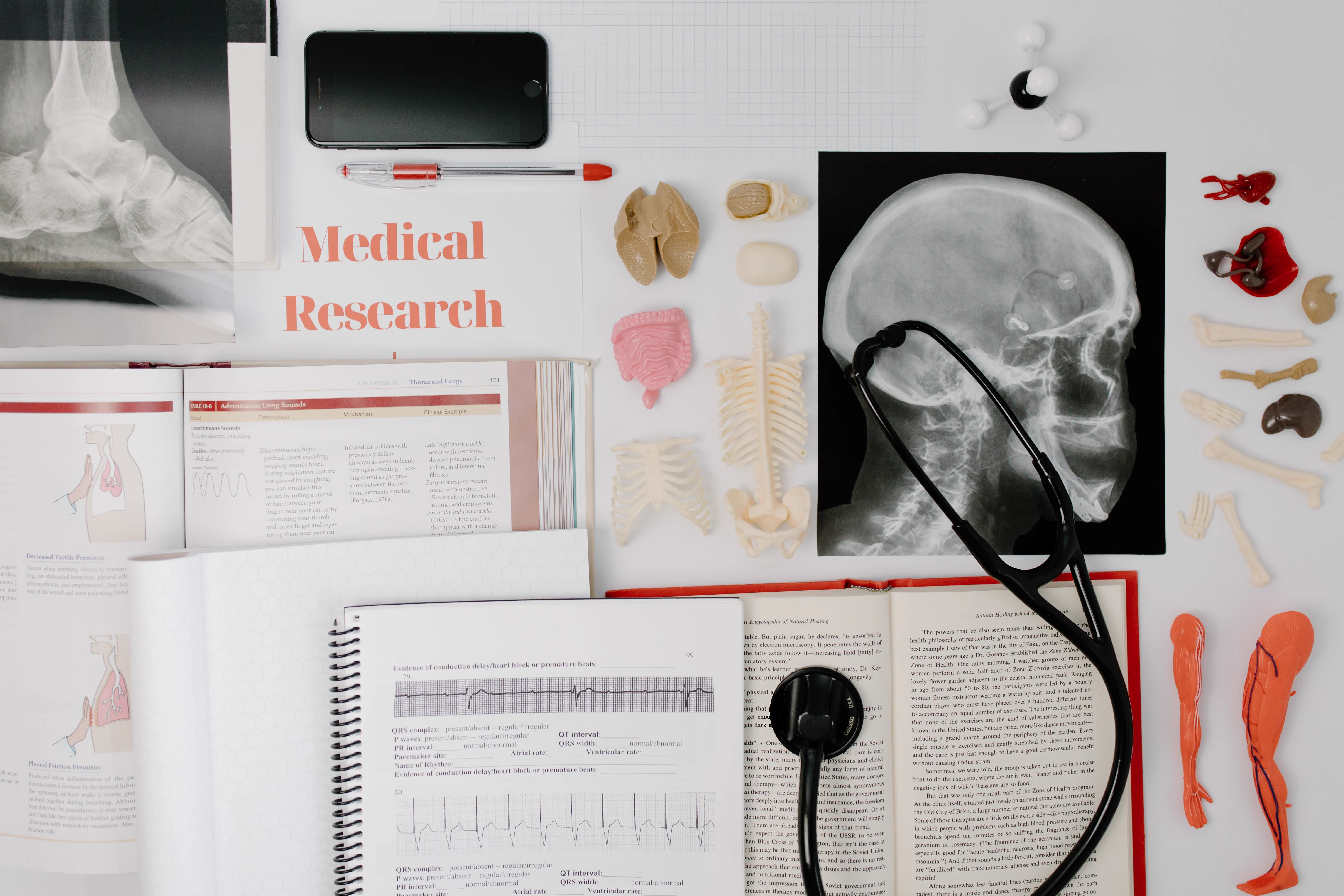
University-Level Medical Learning & Applications
The overall program is designed to help you develop skills, knowledge, and experience that will be useful for pursuing a career in medicine. It provides structured exposure to healthcare concepts, problem-solving, and teamwork.
Discover Your Weekly Program Journey
A 4-week roadmap to define each stage of a virtual work-experience program.
Get introduced to the program, your mentors, and NHS doctors. You will learn how the NHS operates and begin preliminary research on the program project.
You will obtain all the required skills to complete the project. Through a series of skills lectures you will get a fully immersive learning experience and all the adequate skills.
You are now equipped with the adequate skillset to complete the program. Applying your knowledge onto the project in the context of the NHS and working as a team is the focus.
In your final week you will submit your project for mentor feedback. In the final night you will pitch your project and findings to the NHS doctors and upon completion, receive a referral letter.
Testimonials
Hear from students who joined Delta and gained meaningful, confidence-building experiences.
Curious to learn more? Get in touch!
Get in touch to learn how the NHS Medical Work Experience Program gives high school students hands-on exposure to medicine — working through real clinical scenarios with NHS doctors, collaborating in teams, and building a portfolio that stands out.
Our team will reach out shortly to schedule your consultation.