Empowering High School Students Through ResearchThrough Mentorship
RISE Research is a selective 1-on-1 mentorship program where high school students publish original research, win awards, and earn global recognition under PhD mentors.
Academic journals have published our students’ work
90%
Publication success rate for RISE scholars in top journals
500+
Ivy League & Oxbridge PhD mentors
3×
Higher acceptance of RISE scholars to top-10 universities
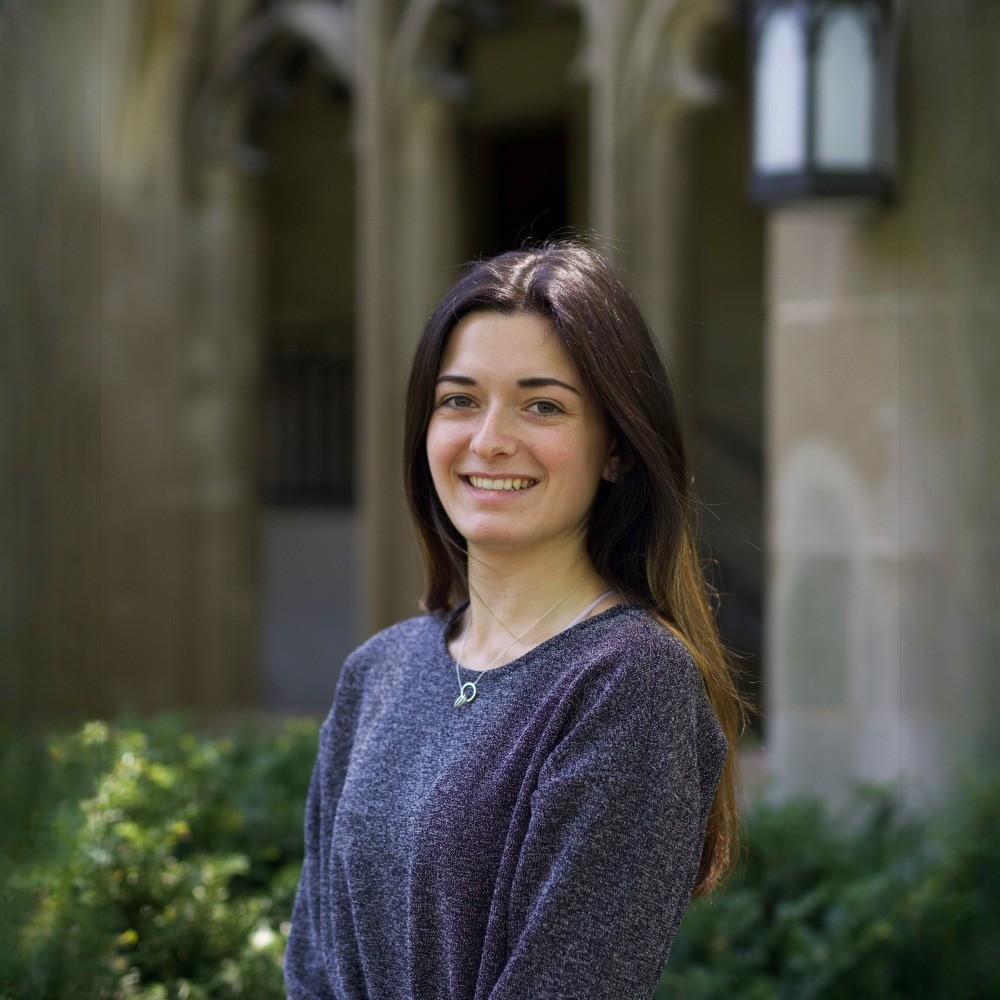
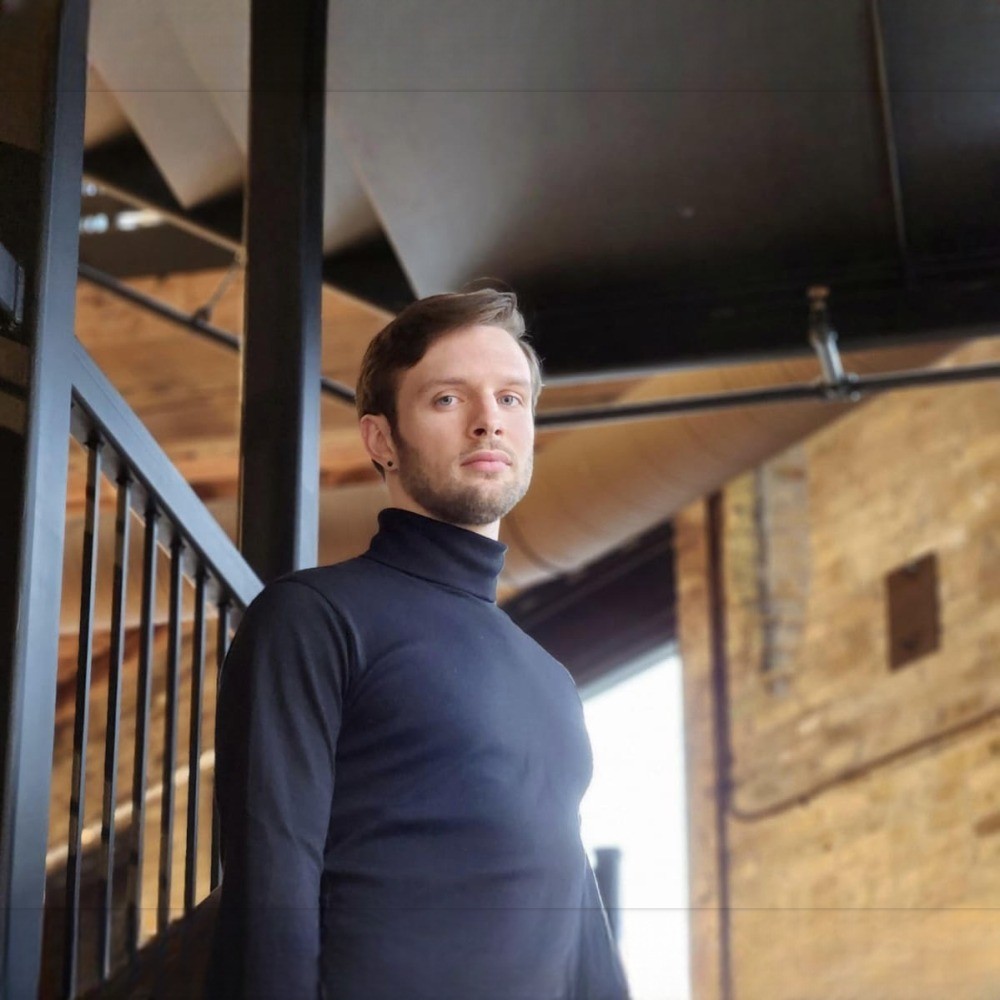
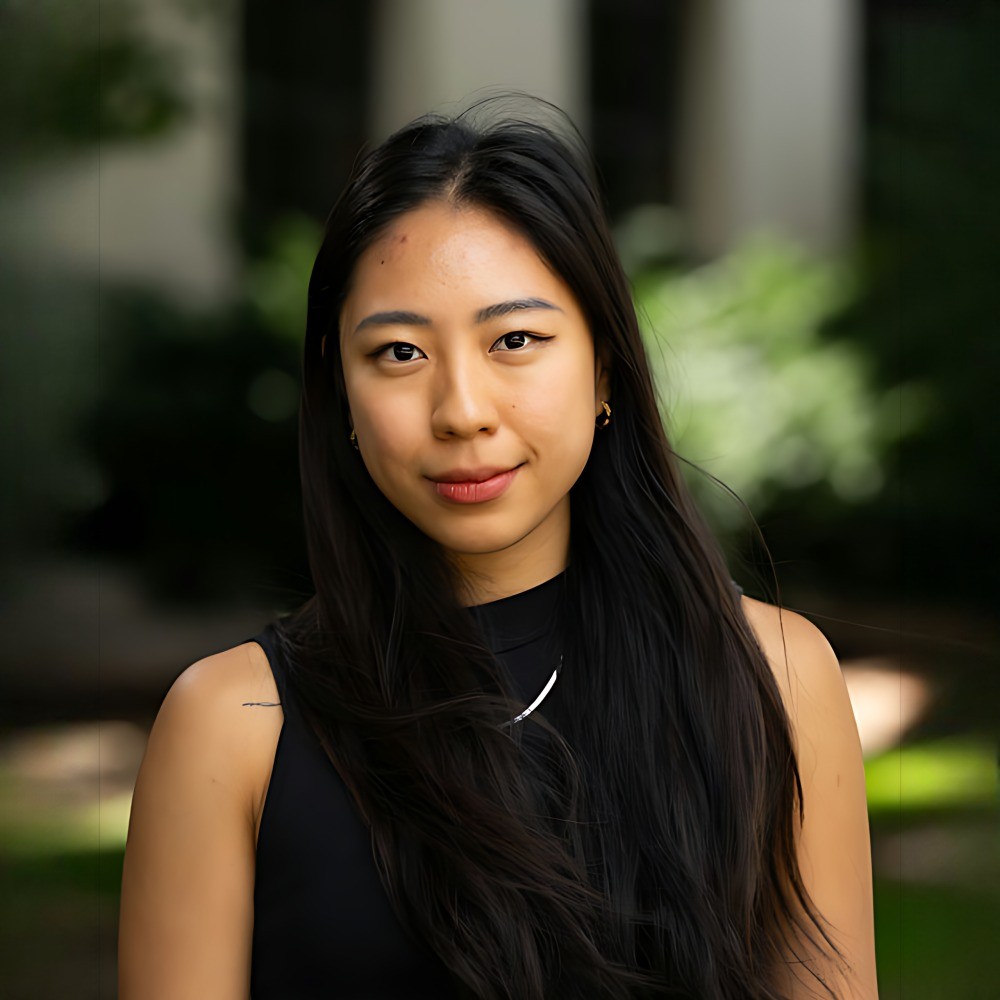
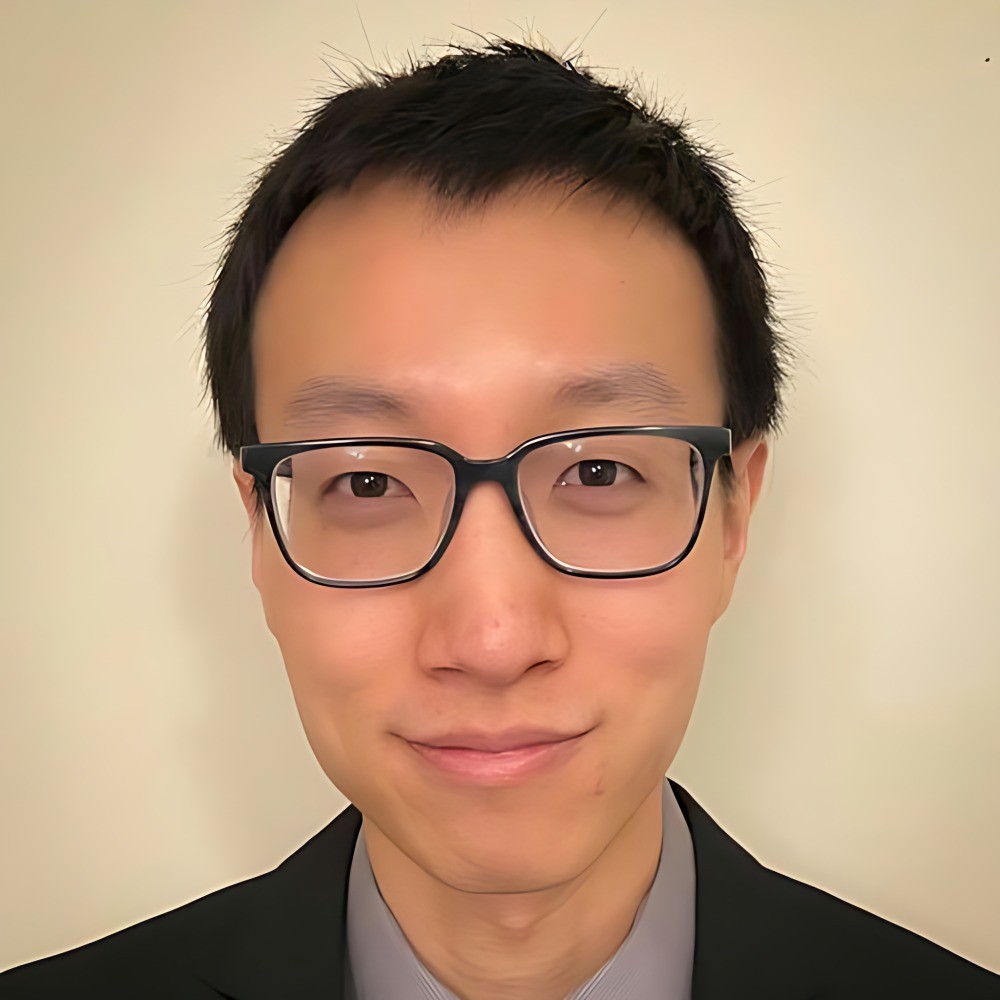
Our Scholars
From publishing research to representing their countries at global conferences, RISE Scholars leverage original research to shape their academic profiles and future pathways.
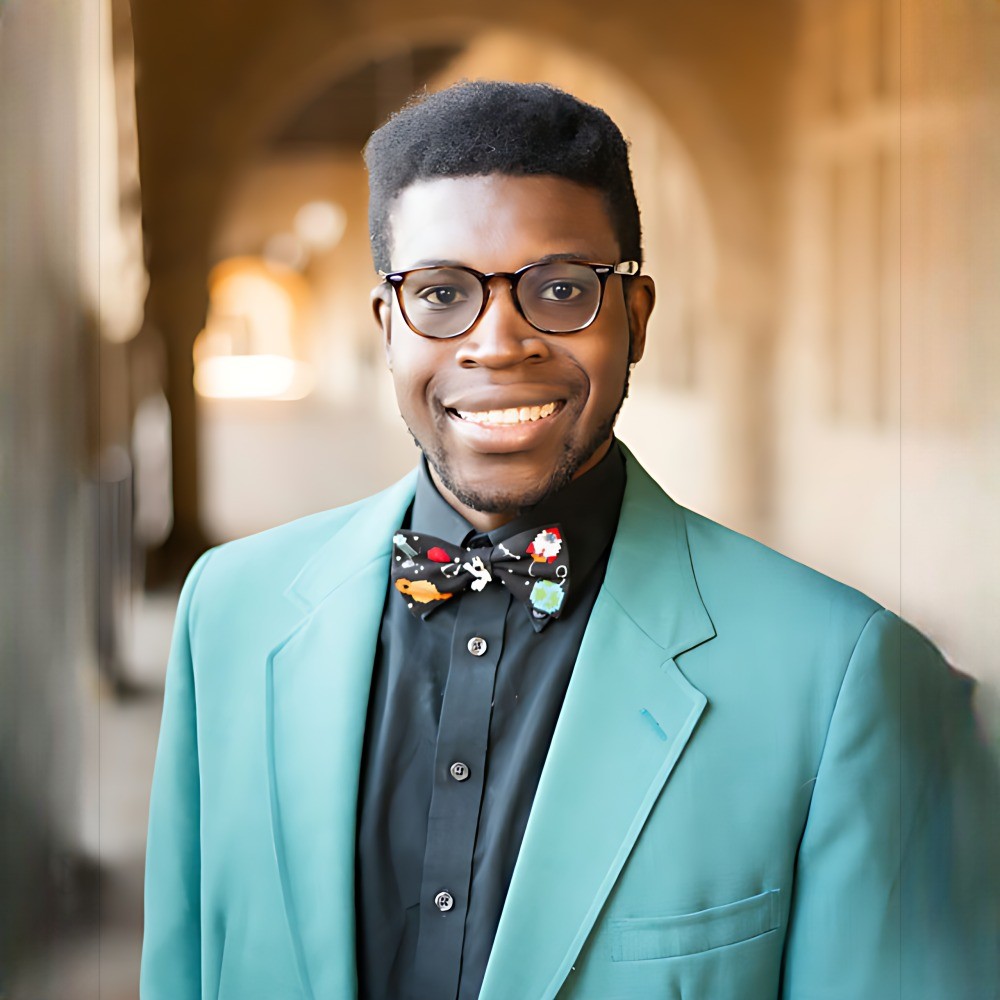
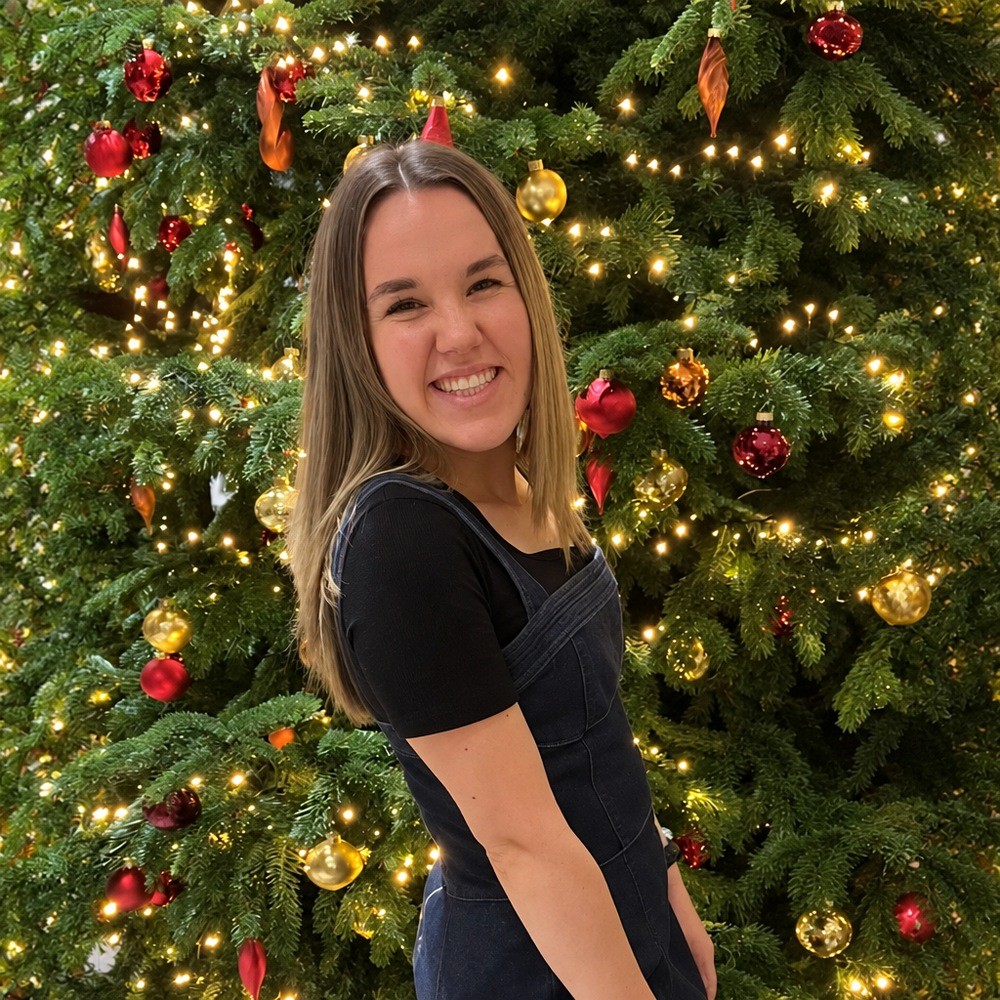
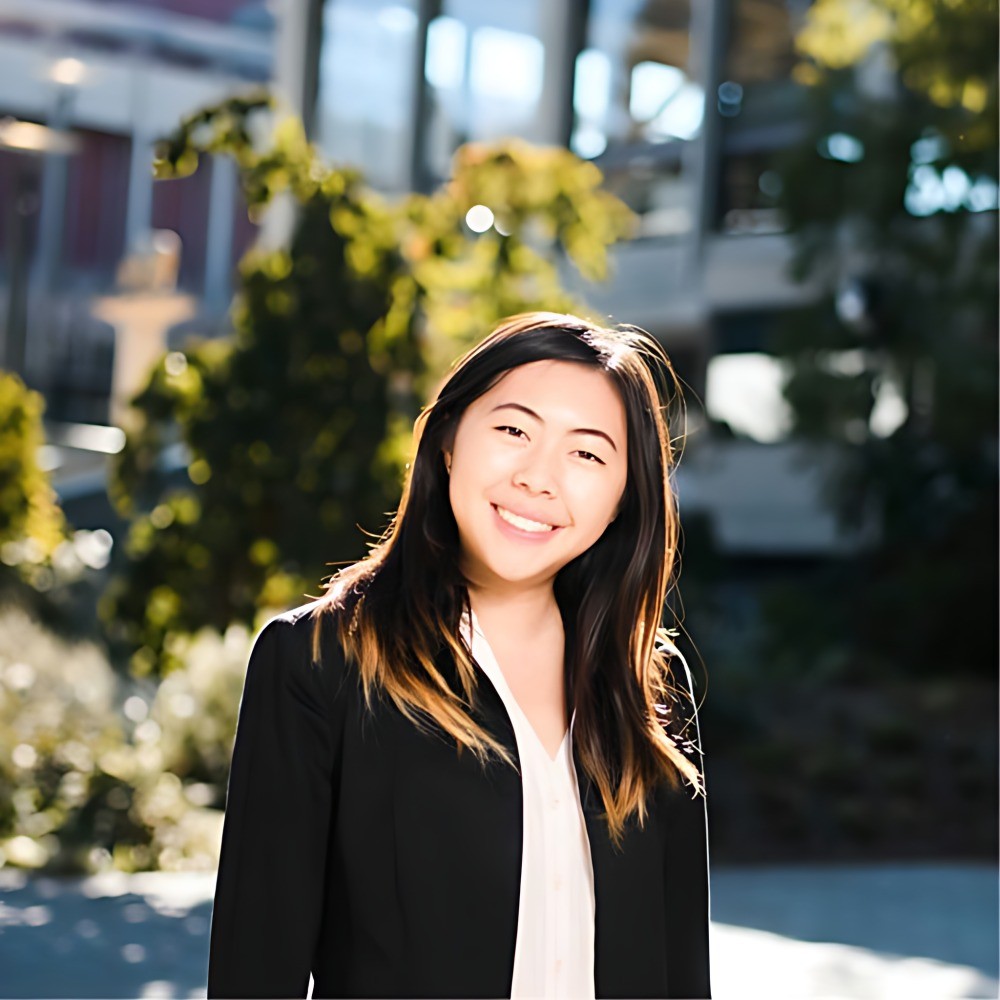
Enoch Yang
Mission San Jose High School
“Through RISE Research, I explored the relationship between power, governance, and democratic change in Taiwan’s post-martial law era — investigating the persistence of the KMT’s repressive structures and strengthening my understanding of political institutions.”
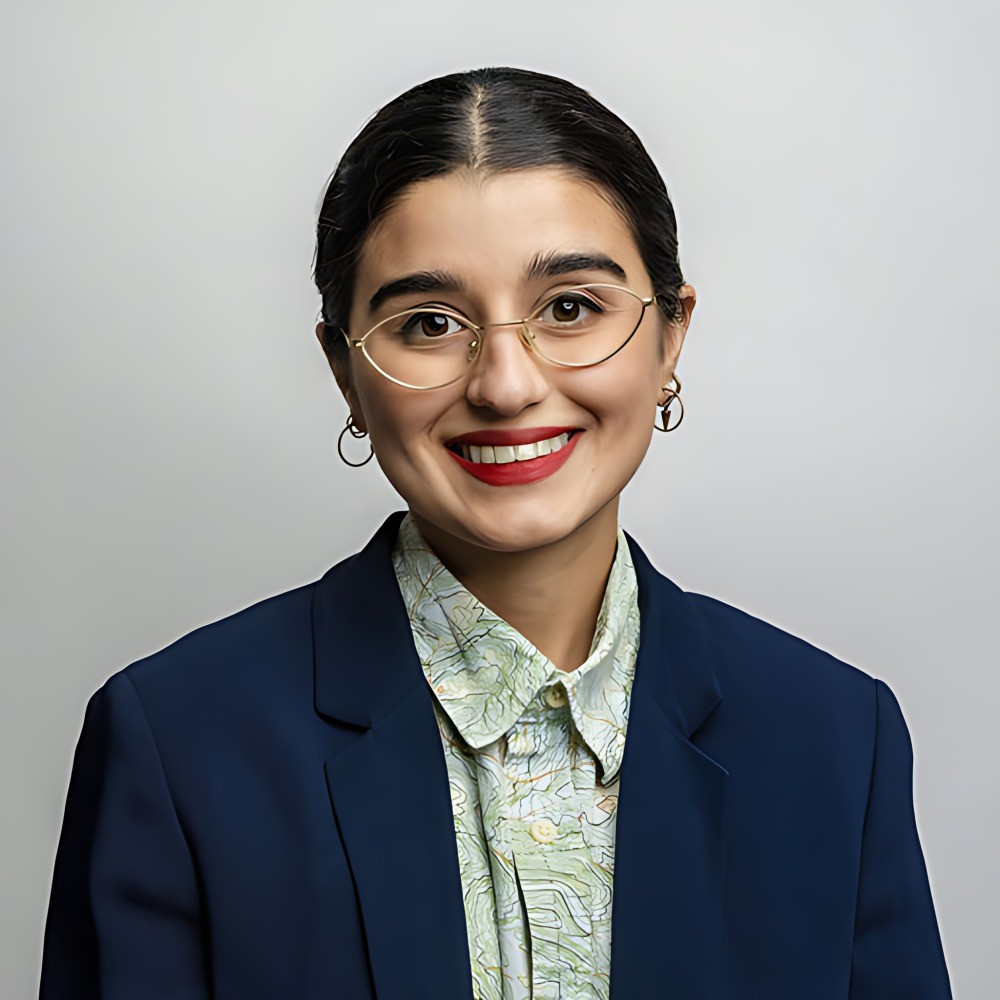
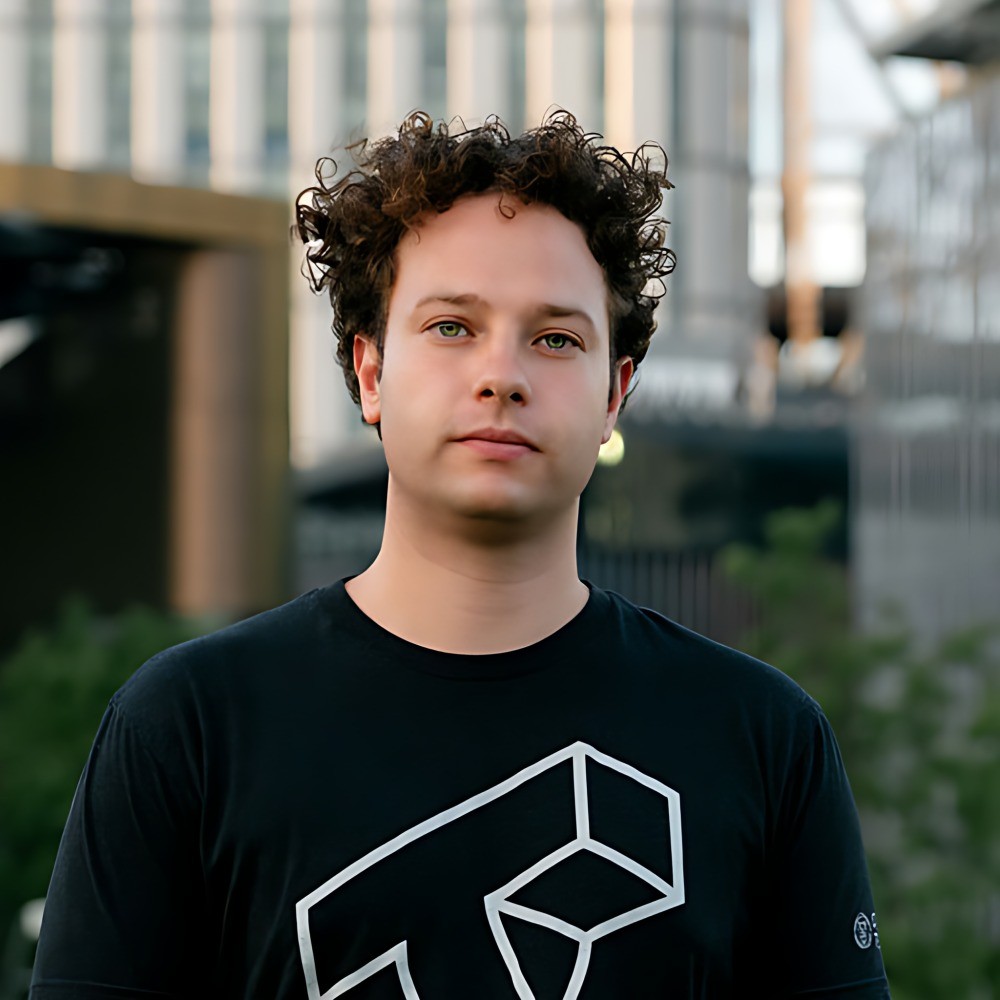
Arjun Shah
Ascend International School
“RISE helped me turn my interest in the jewellery industry into a focused research project. I explored consumer biases and presented my ideas confidently — a valuable experience for any high school student.”
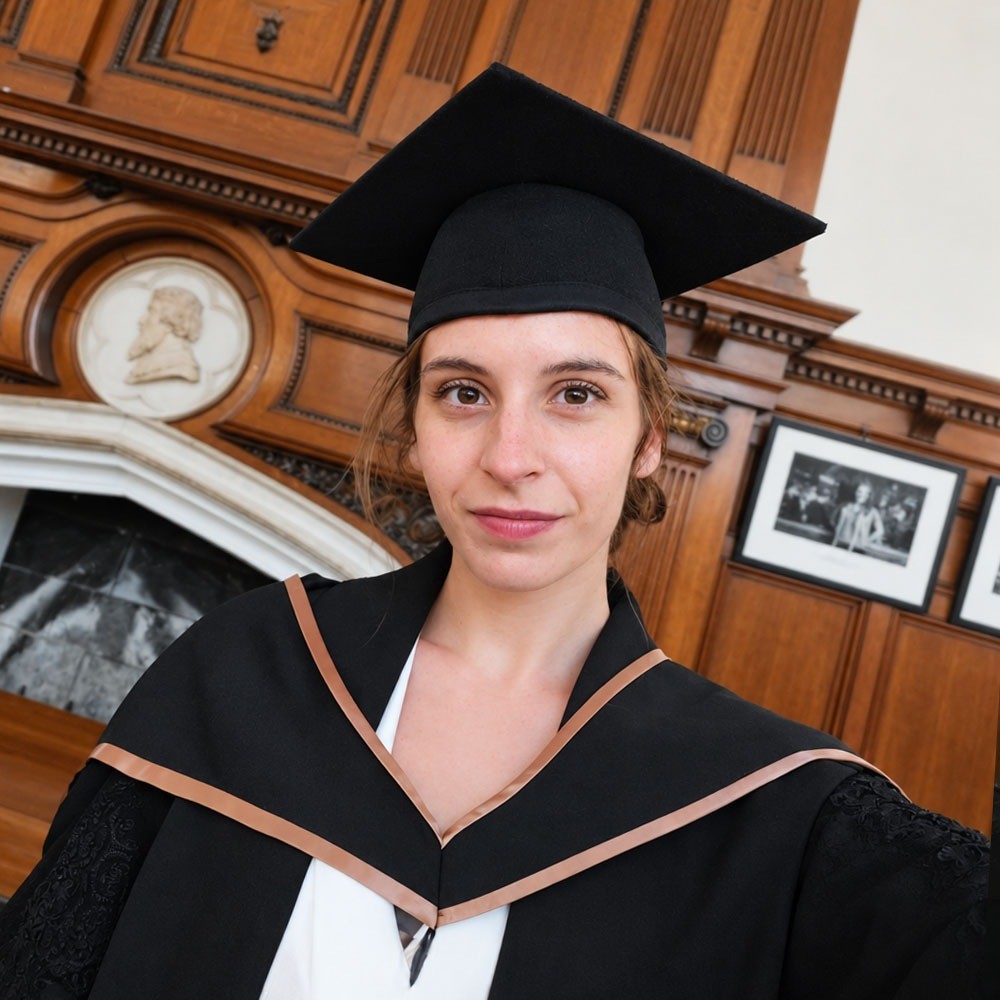
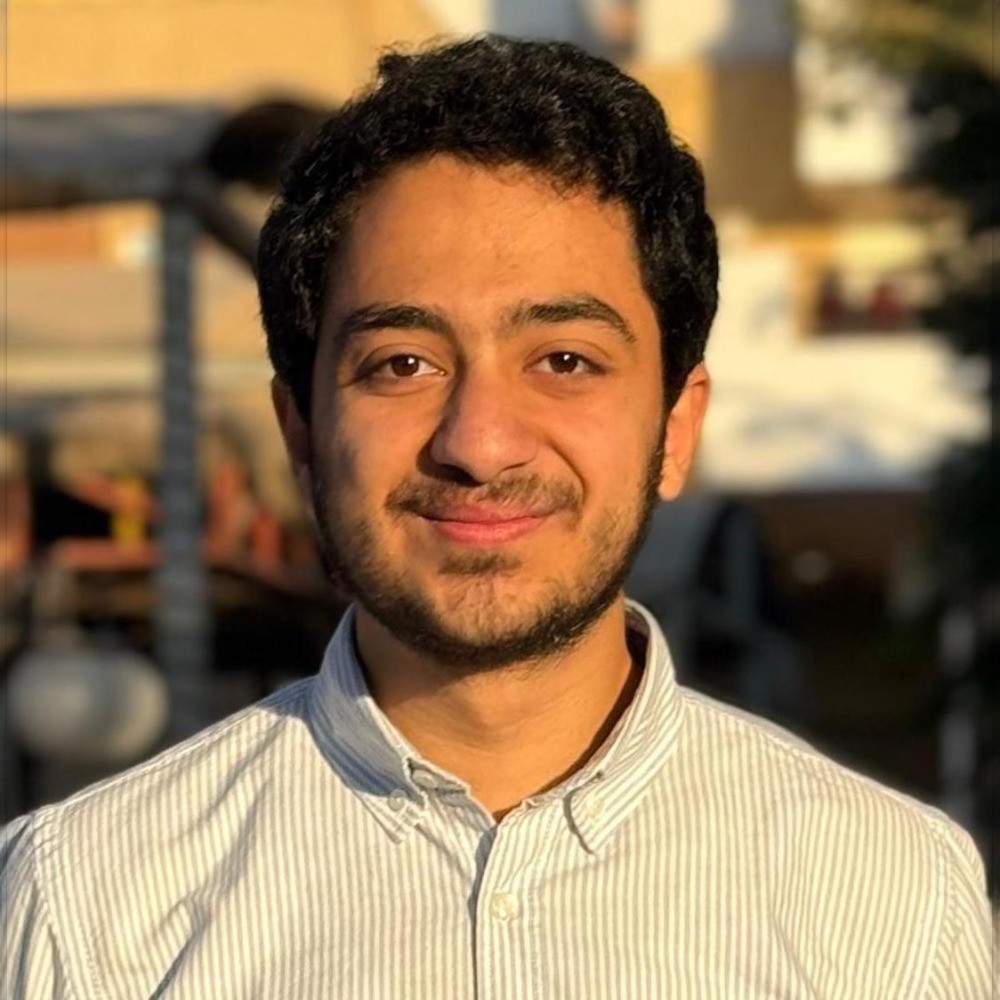
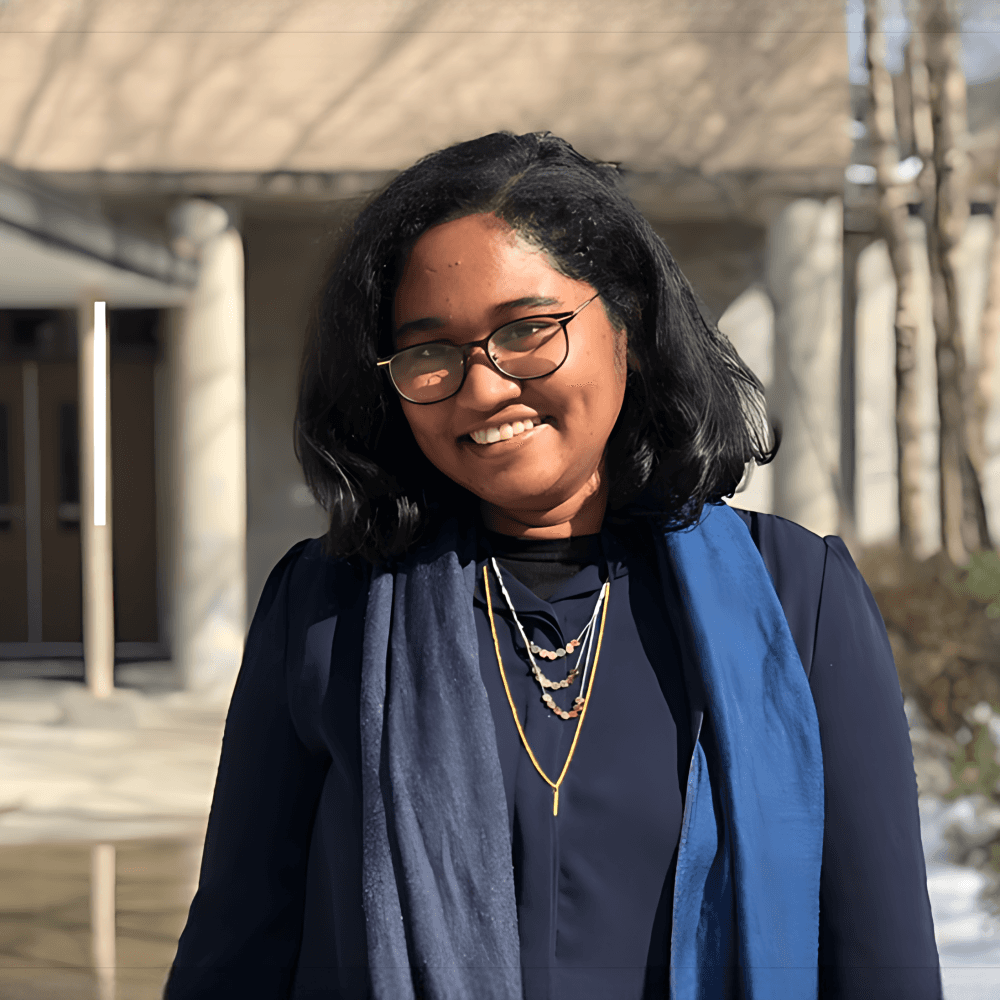
Bridget Biggs
St. Ignatius College Preparatory
“RISE supported my research on the importance of sleep and its effect on homeostatic dopamine regulation. I explored this neuroscience topic with clarity and purpose, aiming to better understand adolescent brain health and well-being.”
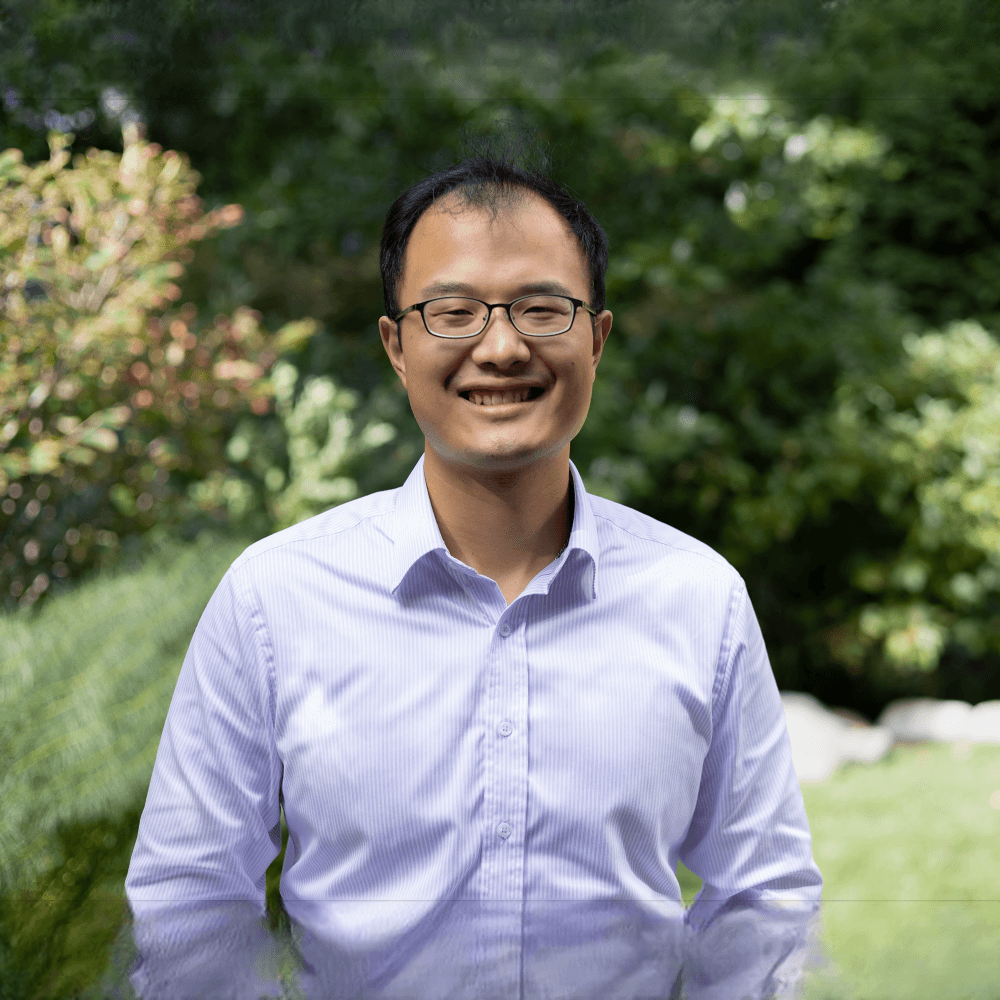
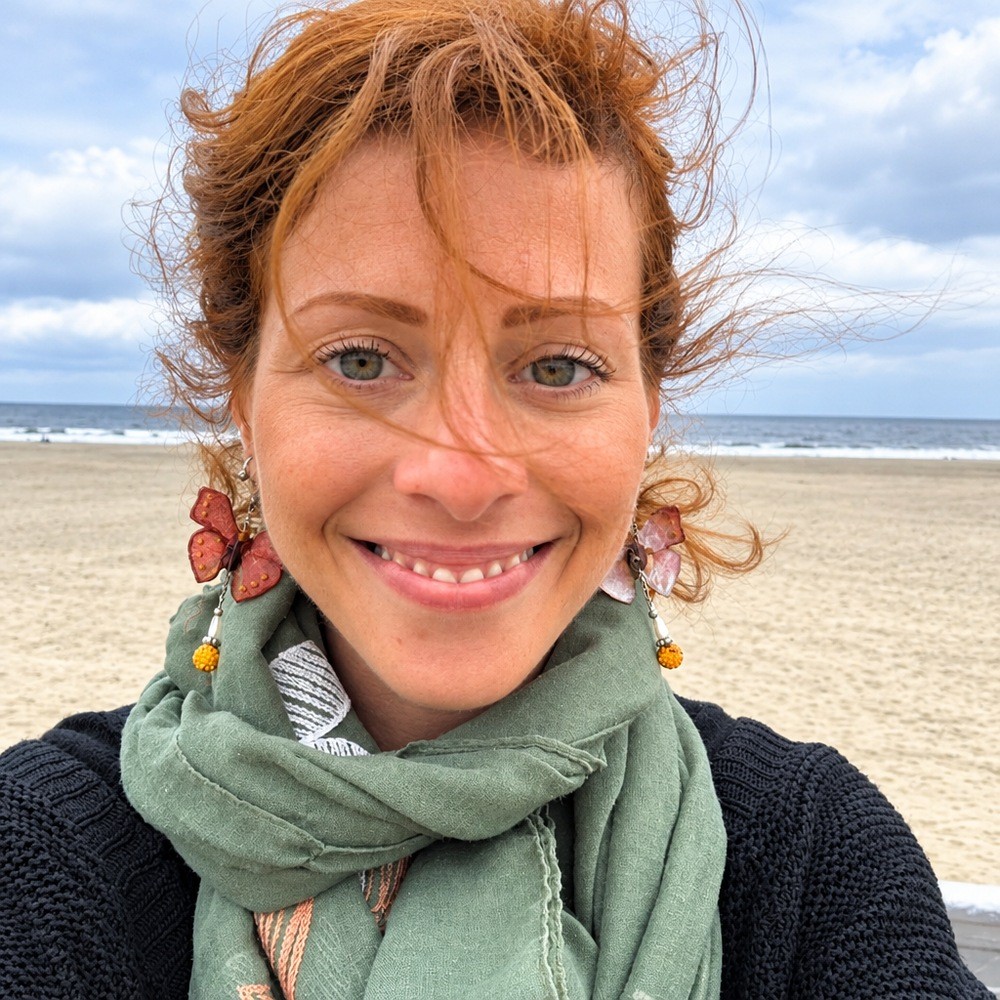
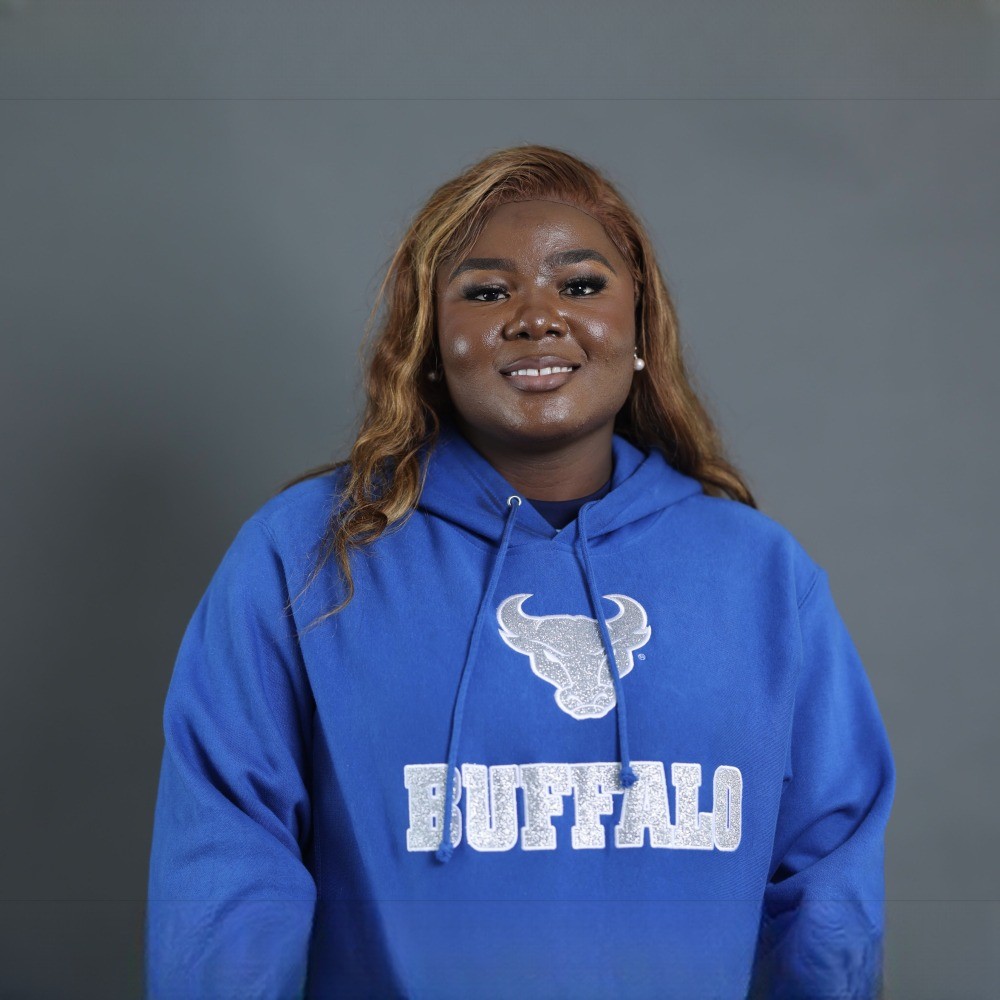
Terry Bai
Dawlish College
“Through RISE Research, I investigated the challenges AI poses to data privacy through a legal and comparative lens focused on East Asia — strengthening my understanding of technology governance and the balance between innovation, regulation, and individual rights.”
RISE Alumni Admissions Outcomes
RISE alumni have gone on to pursue undergraduate studies at highly selective universities worldwide. Their research experience often forms a meaningful part of their academic narrative during the admissions process. Read our 2026 college admissions results.
14%
at Stanford
Standard Acceptance Rate: 8.7%
22%
at Harvard
Standard Acceptance Rate: 3.2%
16%
at Yale
Standard Acceptance Rate: 3.7%
23%
at UPenn
Standard Acceptance Rate: 3.8%
31%
at Columbia
Standard Acceptance Rate: 7.5%
18%
at Oxford
Standard Acceptance Rate: 3.7%
22%
at Cambridge
Standard Acceptance Rate: 4%
16%
at MIT
Standard Acceptance Rate: 3.7%
How RISE Research Works
A structured, mentor-guided research process designed to help high-school students conduct original, university-level research ethically and rigorously.
Each stage builds core research, writing and analytical skills valued by top universities.
Research Question & Direction
Week 1–2
Students explore academic literature, refine their interests, and develop a focused, original research question grounded in real-world context.
Research Design & Methodology
Week 3–4
Students build a structured research plan, defining methodology, sources, data strategy, and academic benchmarks under mentor guidance.
Research, Analysis & Writing
Week 5–6
Students conduct independent research, analyse findings, and begin drafting core sections while receiving detailed academic feedback.
Manuscript Development & Review
Week 7–8
Students complete their full manuscript and strengthen key sections through multiple review cycles.
Publication Submission & Presentation
Week 9–10
Students prepare their research for submission to peer-reviewed academic journals or global conferences.
Publication Venues
RISE Research Mentors
Our mentors are experienced researchers who guide students through the full research process with rigor, integrity, and a strong emphasis on student ownership.
James Frederick William Rowe
University of Illinois Urbana-Champaign
James F.W. Rowe is an award-winning doctoral candidate at the University of Illinois - Urbana-Champaign. His core research focus is the metaphysics of time where he has developed a novel defense of the Growing Block, but his work extends to the fields of ethical and political philosophy, philosophy of mind, philosophy of religion, and the history of philosophy (with an emphasis on ancient and early modern philosophy). His exemplary track record in the classroom and development of a course in philosophy in literature led to his recognition as the first graduate student to ever win the Excellence in Undergraduate Teaching award.
Hadiza is a PhD student in Computer and Information Science at the University of Michigan–Dearborn, where her research focuses on software verification for AI-enabled cyber-physical systems. She earned a Master’s degree in Engineering Artificial Intelligence from Carnegie Mellon University Africa which was fully funded by the Mastercard Foundation Scholars Program. There she worked on interdisciplinary research, including improving access to customized 3D-printed prosthetics in resource-limited settings. Hadiza has over three years of experience as a teaching assistant and has also introduced many high school students to programming. She’s passionate about mentorship and actively supports students with college applications, scholarship opportunities, and career development.
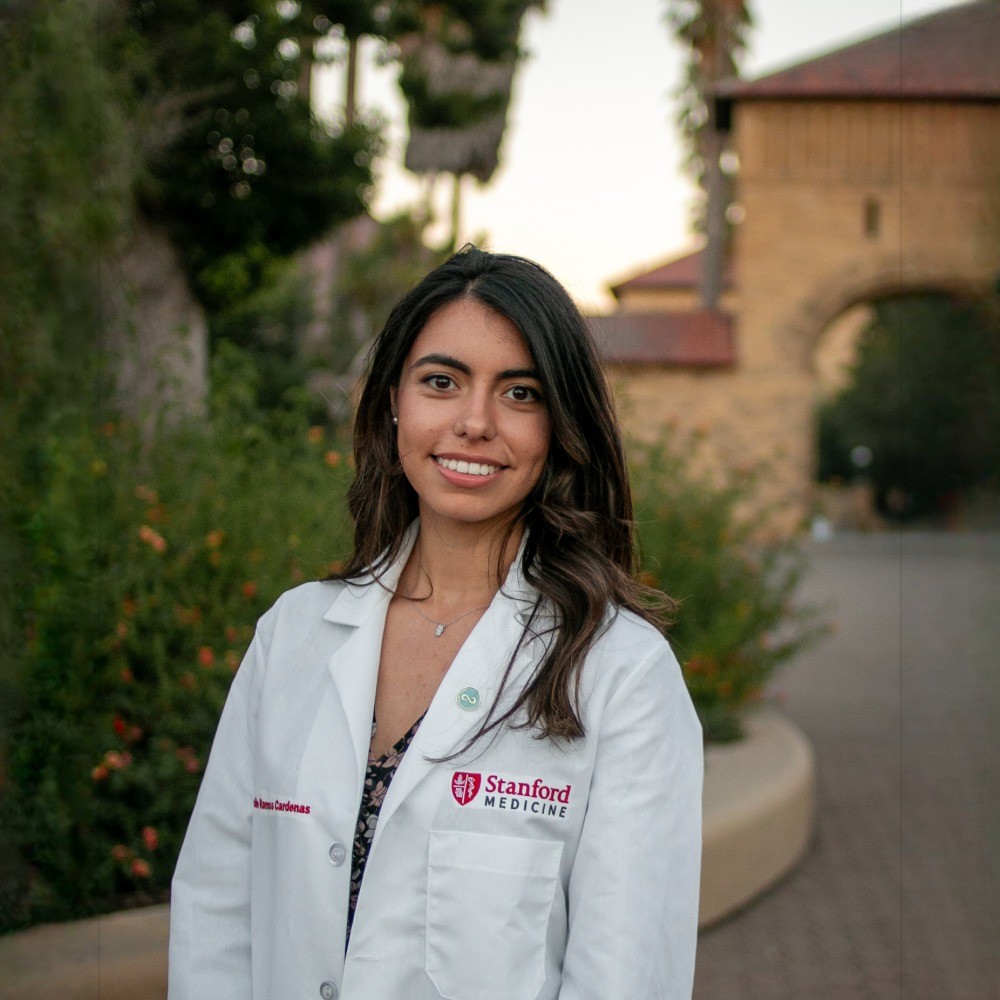
Leslie is a Stanford medical student with a neuroscience degree from Harvard and a strong background in biomedical and translational research. Her current research focuses on developing neurotechnology to restore vision in patients with retinal degeneration. She’s excited to bring her passion for science and mentorship to the RISE program and support students as they explore their own academic and professional journeys.
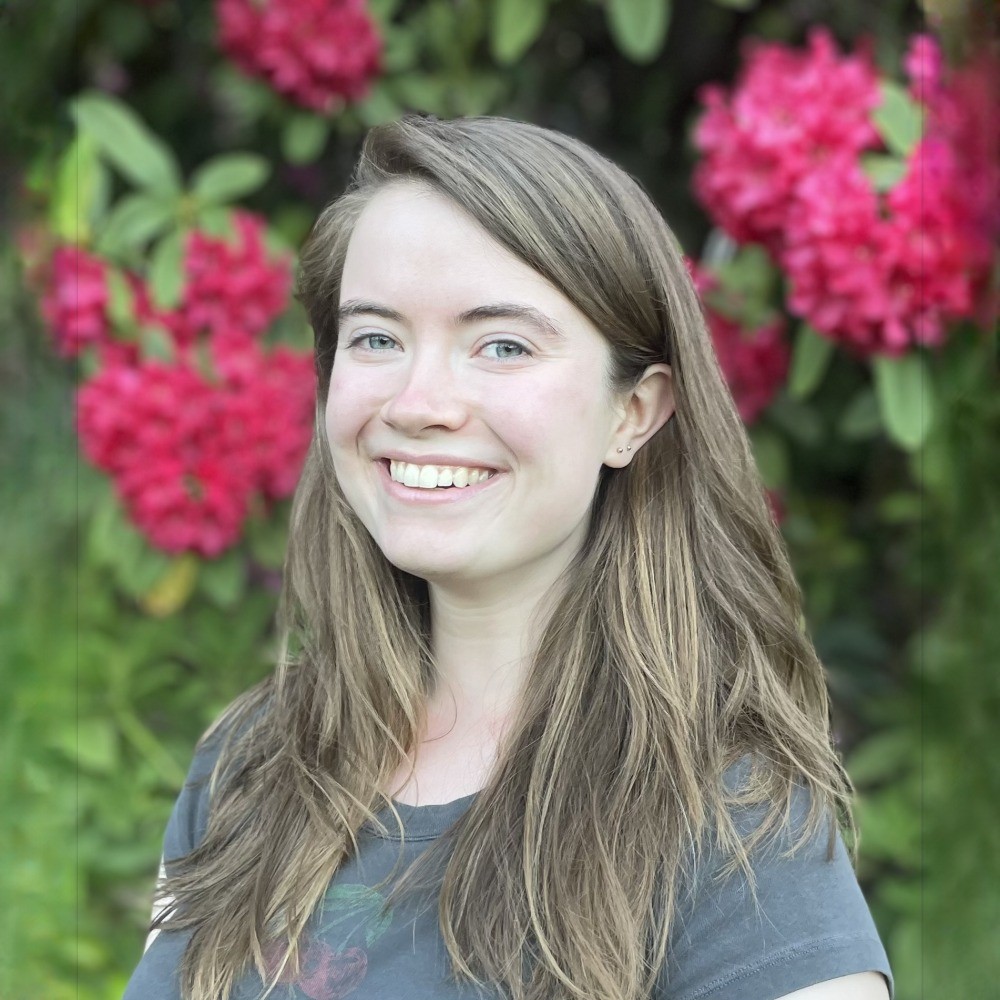
Camille Bergeron is a developmental economics Ph.D. student at the University of Washington with a strong background in data analysis, economic modeling, and policy research. She holds degrees in Mathematics and Economics, and her work bridges academic rigor with real-world impacts. Camille is especially focused on computational macroeconomics, and brings experience from roles in research, consulting, and public sector analytics. She really enjoys
Valerie is a PhD student in Political Science at UC Berkeley. She holds a BA degree in Political Science from the University of Chicago and completed her Master's studies jointly at Johns Hopkins in Washington DC and Sciences Po in Paris. Her research focuses on both international politics and the global economy, with an emphasis on how policies and markets interact. She applies a wide range of research approaches, including socio-economic game theory, historical/archival tracing, and quantitative analysis.
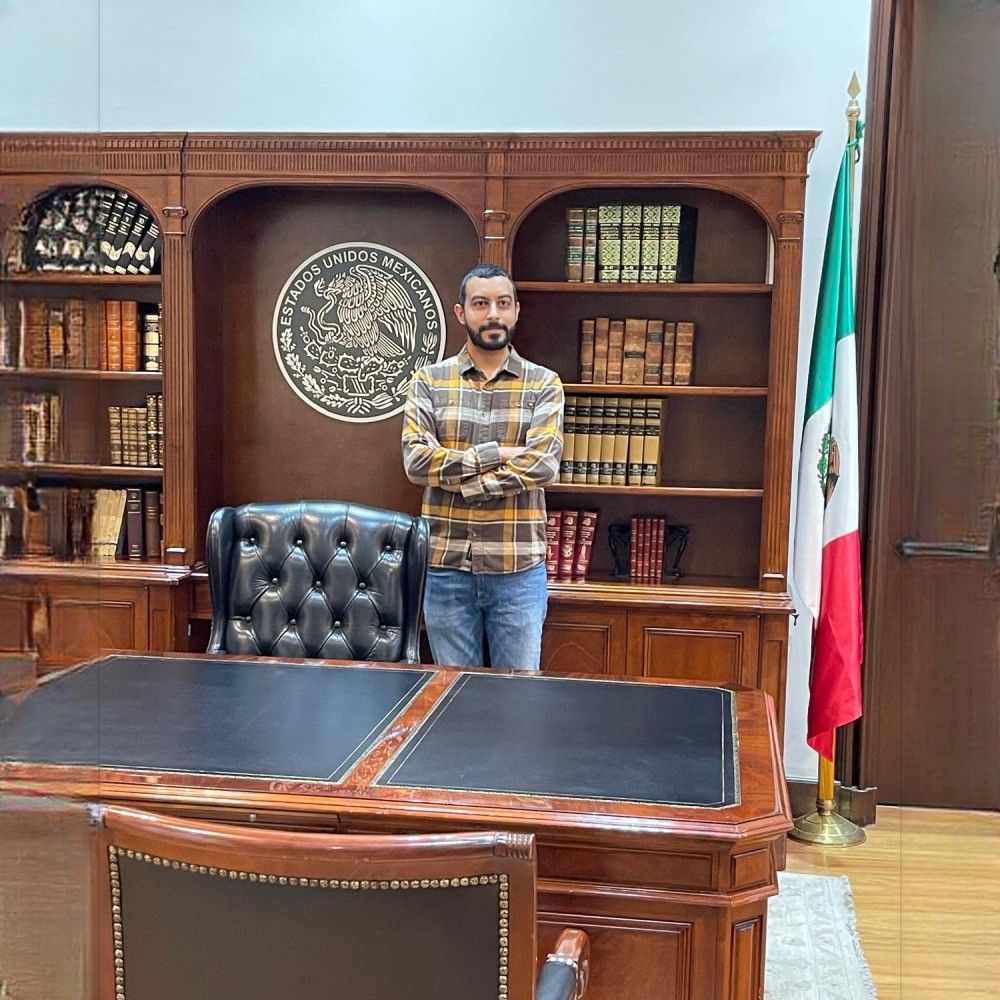
Omar is a respected student of history at Princeton University, focusing on the history of return migration from the United States to México. His cutting-edge research speaks not only to the past histories of both the US and México, but remains relevant to the current political moment as mass deportations and xenophobia is on the rise in Western democracies.
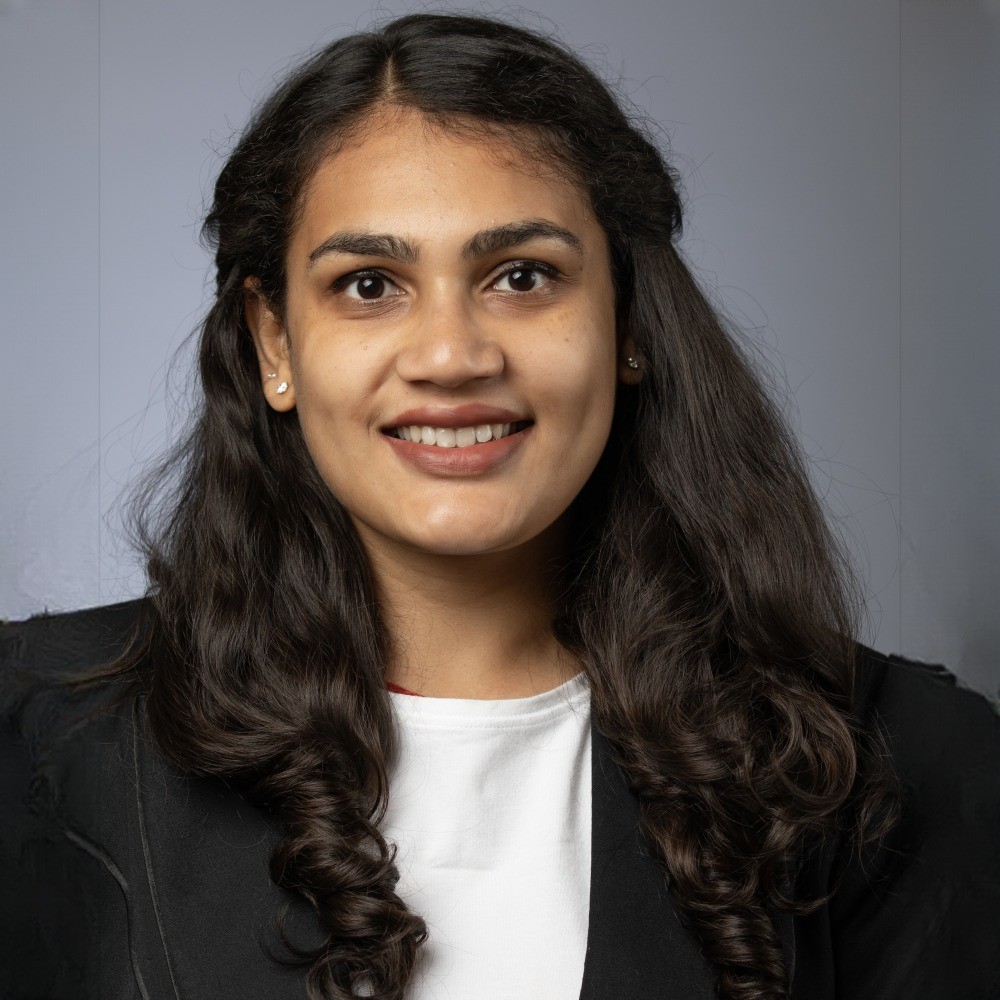
Apurva is a PhD student in Applied Economics at Cornell University, specializing in development economics with a focus on gender and public policy. Her research interests extend to behavioral economics, social networks, and labor market decisions. She employs quantitative techniques to examine how economic policies and social structures influence outcomes, particularly in developing contexts, bringing rigorous empirical analysis to questions of social and economic development.
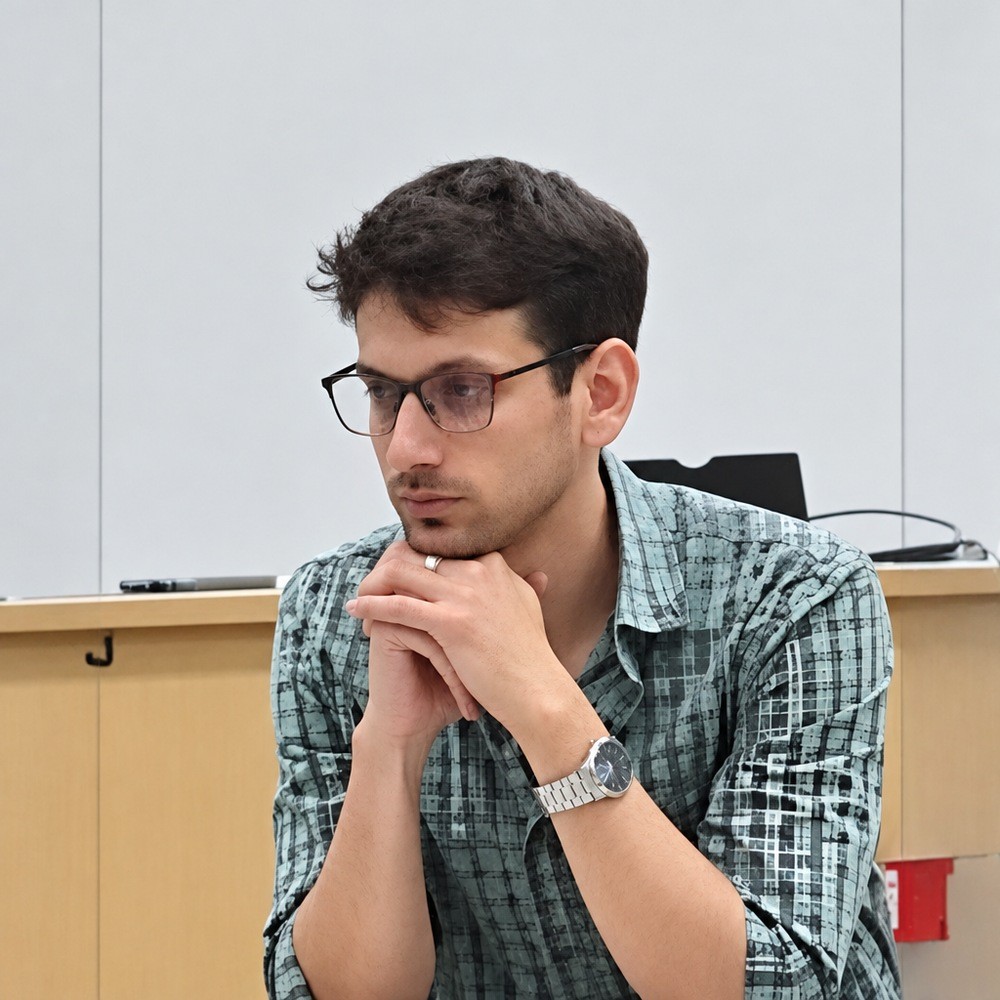
Etienne is a second year Mathematics PhD student at UC Berkeley, studying applied category theory, where he studies the fundamental structure of mathematics to inform innovations in pure mathematics, logic, and computer science.
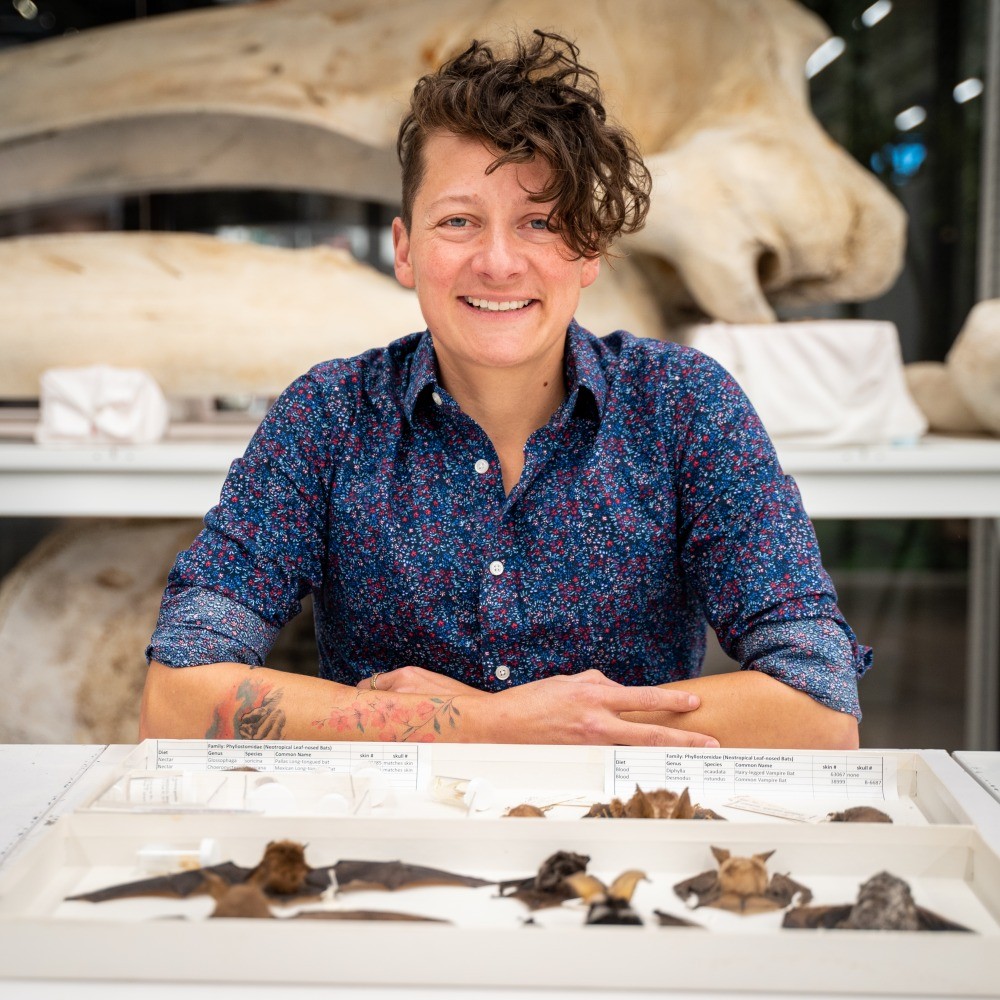
Flo is an enthusiastic Cell Biologist and PhD candidate at the University of Washington. Their dissertation research focuses on smell receptors in a species of bat. Their project involves exciting approaches to help understand the function of olfactory receptors such as de-orphaning experiments, molecular docking, and fluorescence in-situ hybridization. Their extensive experience in the field of Biology as a first generation, neurodivergent individual makes them a great mentor for young, aspiring scientists.
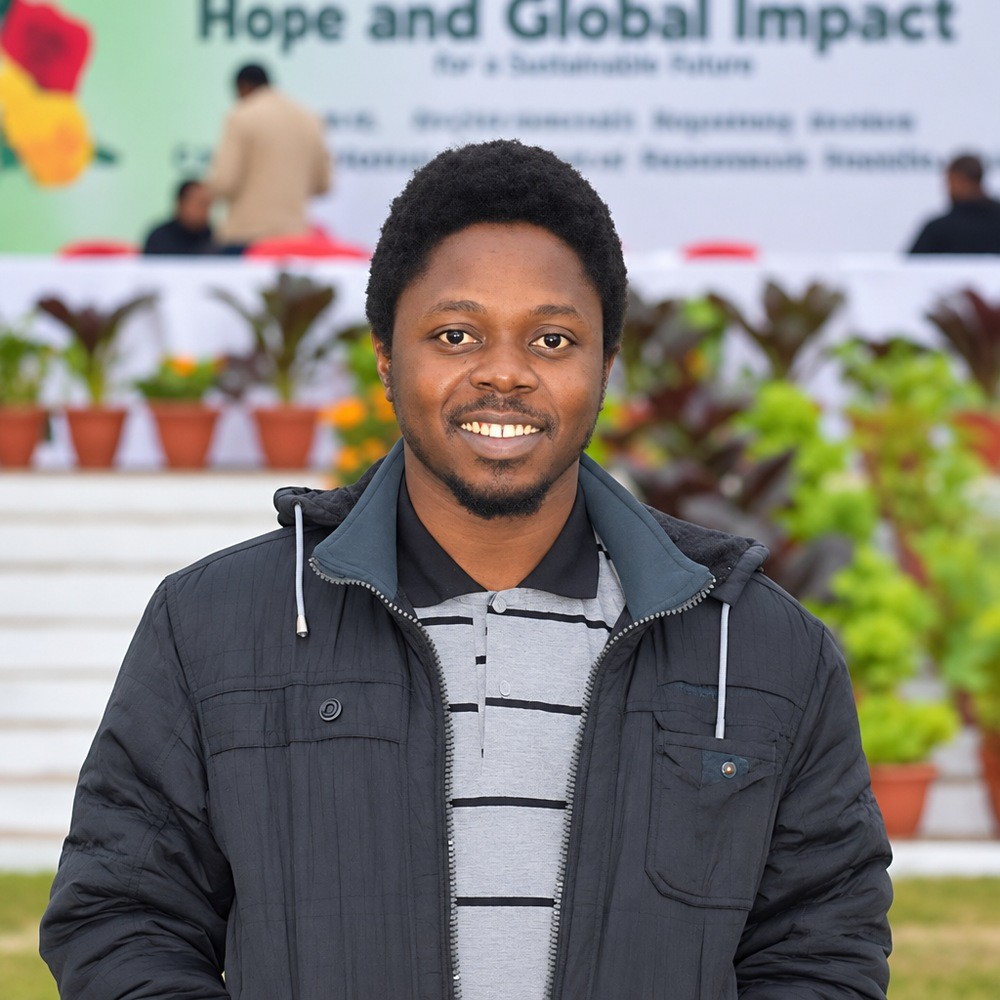
Oluwatobi is a PhD candidate and Teaching Fellow in Ecology and Evolutionary Biology at Yale University, where his research combines classical plant biology with cutting-edge molecular, imaging, computational, and ML approaches to understand leaf evolution and development across global climate gradients. His expertise spans from molecular biology and microscopy to machine learning, big data analysis, biodiversity and environmental research. With a decade of teaching experience across three continents and a passion for empowering young scientists, Oluwatobi brings both rigorous scientific training and genuine enthusiasm for mentoring students through impactful research projects.
I recently graduated from UC Berkeley with my PhD in computer science (specialization: machine learning and AI). I'm passionate about building technology that improves people's happiness and well-being, and am currently building my own health tech company. Outside of my technical interests, I love music (I'm a classically trained pianist and cellist) and running.
Jayson Toweh is an E-IPER PhD student focusing on identifying the health, environmental, and social impacts of climate change and creating co-benefits from developing sustainable energy transition.
He hold's a bachelor's degree from the University of Michigan’s Program in the Environment and a master’s degree in Environmental Health from the Harvard T.H. Chan School of Public Health. His thesis focused on evaluating and mapping emission changes after installing scrubbers to coal power plants.
Prior to Stanford, Jayson worked as a Management and Program Analyst at the U.S. Environmental Protection Agency in the Office of Inspector General, where he evaluated EPA's water programs and made recommendations for improvement. Jayson was elected and serves on the Harvard Board of Overseers, the university's governing board.
Nina is a Particle Physics DPhil student at the University of Oxford, who specialises in particle detector development. She also did her undergrad in Oxford, achieving a first-class MPhys Physics degree. She has led and contributed to several research projects, and has been actively involved in tutoring and mentoring since her first year at Oxford. She is passionate to help future candidates prepare for the academic field and stand out with their research.
Raymond is a Postdoctoral Fellow at the Columbia-Harvard China and the World Program, and a Research Fellow at the Belfer Center at the Harvard Kennedy School. His research examines how rising powers shape international order by commandeering the existing rules, rather than overturning them or building alternative institutions. He is also interested in economic statecraft and knowledge transfer between the military and civilian sectors. He received his Ph.D. in Political Science from MIT.
Soobin is a PhD student in Finance at UC Berkeley, Haas School of Business. Her research interest is on dynamic macro-finance with special focus on heterogeneous agents.
Kate is a MD/PhD student at the University of Washington. She studies dementia using C. elegans as a model organism to understand the molecular mechanisms of tau toxicity in disease. She hopes to identify pathways useful for treating Alzheimer's Disease and other dementias.
PhD candidate at UT Austin. Specializes in ancient philosophy, ethics of technology, and early modern philosophy. TA for logic and philosophy of law as well as other intro courses in philosophy.
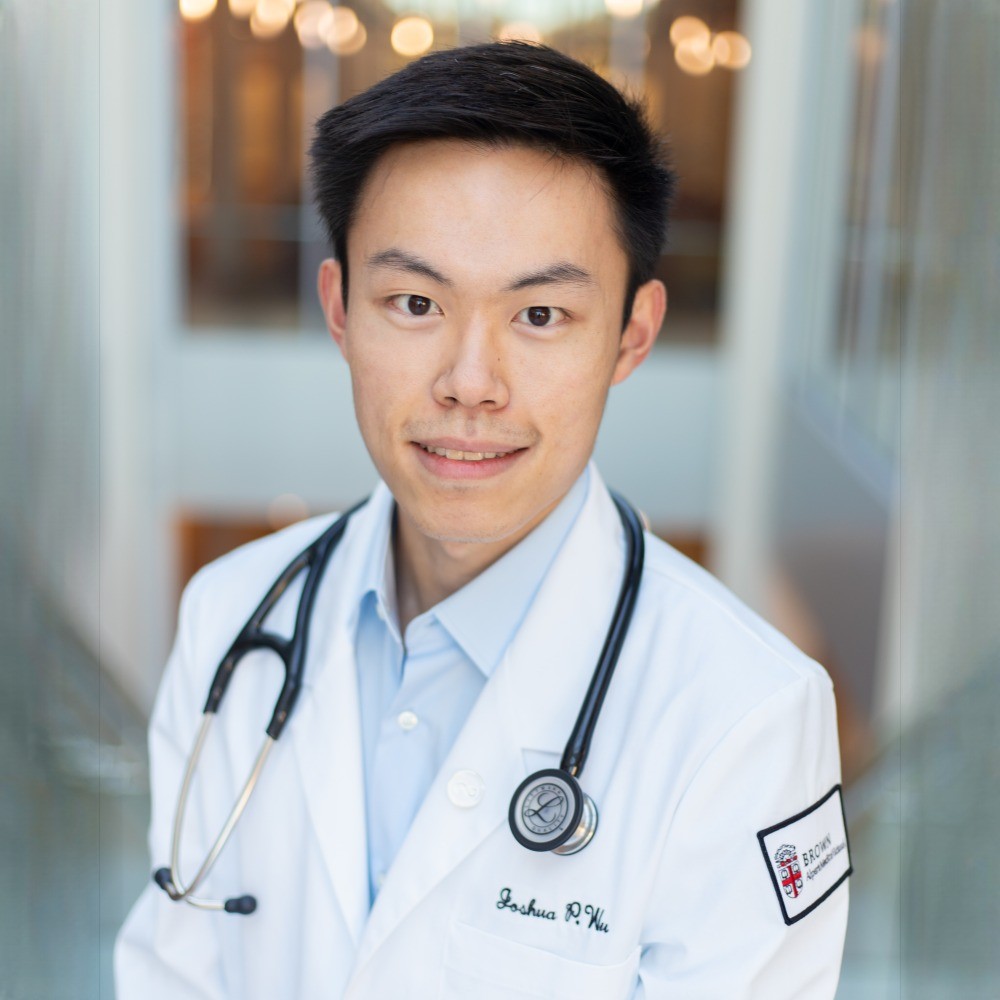
Josh is an MD-PhD candidate at Brown University. His research interests are in aging, neurodegeneration, and Alzheimer's disease pathogenesis. He aspires to become a neurosurgeon and a neuroscientist.
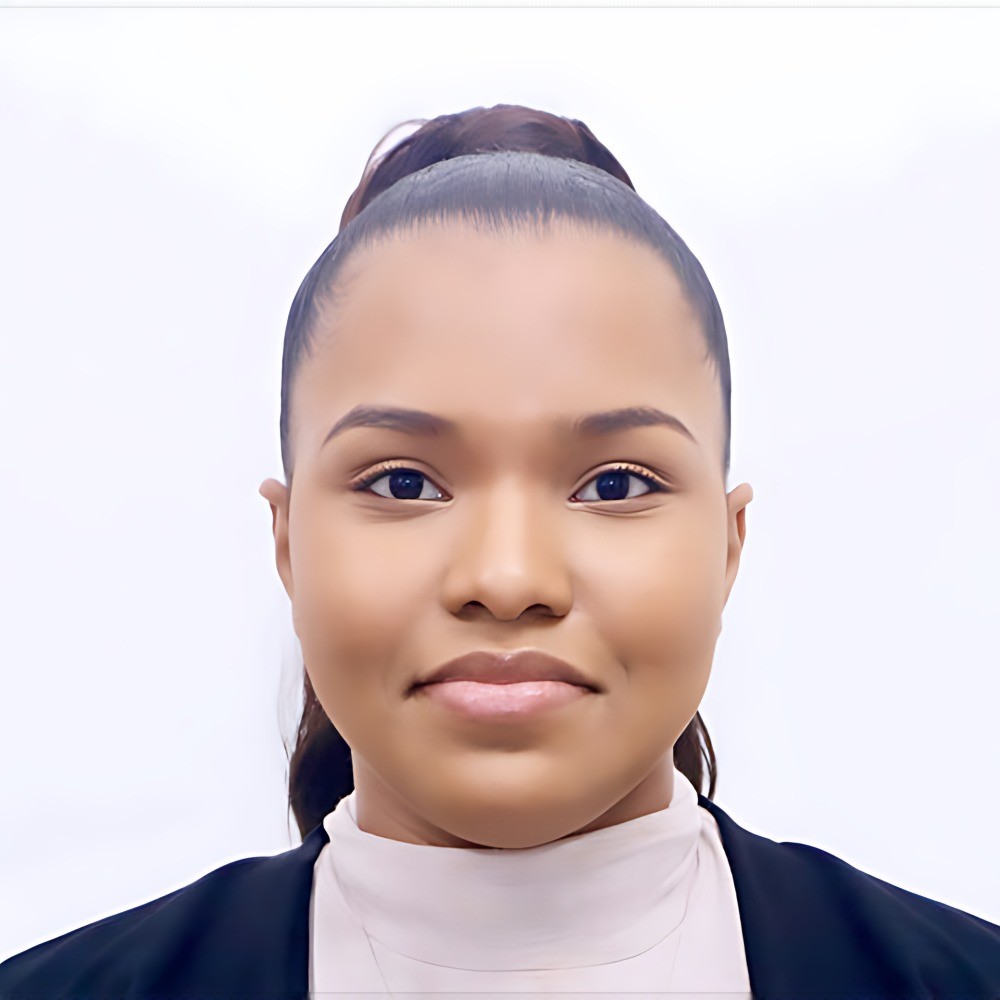
Carissa Rodulfo is an attorney-at-law and PhD candidate in competition law at the University of Cambridge, where she is pursuing her research with full funding from the Cambridge Trust. Her academic and professional experience spans competition law, international arbitration, information law, and civil litigation, reflecting a deep interest in how law operates as a mechanism for fairness, accountability, and economic development in emerging regions.
Carissa previously served as a Fellow at the Inter-American Commission on Human Rights, where she worked on initiatives advancing access to justice and the protection of fundamental rights across the Americas. She has published extensively in international journals in the fields of international tax, sports law, competition law, international trade, and human rights. Her research and writing explore the evolving intersections between global governance, regulation, and equality in international law.
Outside of her legal and academic work, Carissa is a dedicated tennis player and part-time coach. She also enjoys theatre arts, poetry, and anime, which she embraces as creative outlets that inform her reflective and expressive approach to advocacy and scholarship.
Marja is a doctoral student at the University of Chicago's Pritzker School of Molecular Engineering. She earned her Bachelor of Science degrees in Biological Chemistry and Chemistry with Honors from the University of Chicago in 2024. Her current research focuses on the synthesis of nanoscale electrocatalysts for OER in water electrolysis.
Marja's academic journey reflects her commitment to advancing the field of molecular engineering through rigorous research and interdisciplinary collaboration.
Damon is a PhD student in finance at MIT with a focus on quantitative topics. He has interdisciplinary interests spanning statistics, finance, engineering, and machine learning. His current research focuses on factor models for the covariance structure of asset returns, effects of bias on duration effects in equity returns, and multimodal transformer models for time series prediction.
Joelle is currently a third-year Earth and Environmental Sciences PhD student at the University of Michigan. Her studies focus on understanding climate and environmental changes by integrating geochemical analyses and climate modeling. She is particularly interested in interdisciplinary approaches that connect the concept of biology, chemistry, and the climate physical mechanisms to answer her research questions.
Andrew Weng is a Program Director at the Volta Foundation, where he leads initiatives to advance battery workforce development and education. He previously spent a decade as a Staff Battery Cell Engineer at Tesla, where he led projects in battery cell technology development, qualification, modeling, and manufacturing. He is also affiliated with the University of Michigan and the University of South Carolina, where he conducts research on battery digital twins. At the University of Michigan, he built the first professional course in battery manufacturing, which has been taken by over 100 practicing engineers with a course satisfaction rating of over 95%. He holds a Ph.D. in Mechanical Engineering from the University of Michigan, an M.S. in Computer Science from the Georgia Institute of Technology, and a BASc in Nanotechnology Engineering (Dean's List) from the University of Waterloo.
Frances is an award-winning PhD researcher and Assistant Lecturer in Medical Law at the University of Oxford. Her doctoral research develops the first comprehensive strategy to reduce the harms experienced by women in NHS maternity wards across the UK. She has written and published over 15 academic articles and blogs.
As she reaches the final stage of her PhD, she is focused on transferring her academic insights into real-world change and recently presented at the Mexican Supreme Court and World Congress of the Royal College of Obstetrics and Gynaecology.
In her spare time, Frances is a keen rower, pianist and is doing her best to fall back in love with reading for fun!
Frances has expertise in: Medical Law, Equality Law, Criminal Law, International Human Rights and Public Policy.
Sabrina graduated with her Ph.D. in Geomicrobiology/Chemical Oceanography from the Massachusetts Institute of Technology (MIT)/Woods Hole Oceanographic Institution (WHOI) Joint Program in December 2025, following earning her B.A. at the University of Pennsylvania (UPenn) in Earth and Environmental Sciences (with distinction). Her Ph.D. research focused on microbial life from extreme environments, such as deep-sea hydrothermal vents, serpentinite mud volcanoes, and terrestrial soda lakes, as analogs for life possible on other celestial bodies with oceans as part of NASA's Exploring Ocean Worlds (ExOW) team. Her work employs culture-based, molecular, and bioinformatic techniques with an emphasis on determining community composition and function through metagenomics, RNA-Stable Isotope Probing (RNA-SIP), metatranscriptomics, and single-cell NanoSIMS imaging. She is now a Postdoctoral Scholar at Pennsylvania State University, focusing on microbiome resiliency in arid soils in Arizona with changing monsoon regime, using multi-omics and activity assays, such as BONCAT-FACS.
University of California, Berkeley and San Francisco
David is a Bioengineering PhD student at the University of California in Berkeley and in San Francisco. His research focuses on brain imaging for neuromodulation therapies, using machine learning and computational tools. His disadvantaged background from Egypt, being the first generation graduate student in his family, and inspiring journey makes him an excellent mentor for students who aspire to follow similar paths.
Alex is a Postdoctoral Scholar under a National Science Foundation grant with the Department of Psychology at the University of Washington. The various strands of her research are unified by a fundamental interest in multiple/intersectional identities and belonging, deriving from her experiences as a migrant, an interdisciplinary scholar, and a first-generation college student. She has worked in the areas of Applied Linguistics, Cultural and Social Psychology, addressing topics such as integration into a new society, personality traits, and emotion. She typically employs mixed-method and has experience with statistical analysis, survey implementation, interviews, participatory actions, focus groups, participant-led ethnography, and written narratives. Some of the questions she addresses are:
Why do multilinguals feel like they have a different ‘self’ when switching languages?
Who makes people feel part of a community or integrate into a new society?
What does it mean to live in between language and culture?
What is language bias and how can we address it? Who is diverse from whom?
How can we accurately ‘datify’ identities?
More topics are listed here: https://apanicacci.wixsite.com/website
Emily is a PhD candidate in Chemistry developing precision genome editing technologies through directed evolution/computational design and associated novel delivery methods. She graduated from the University of California, Berkeley with a BS in Chemical Biology and a minor in Data Science. She has extensive experience tutoring high school students throughout her career.
Jonathan is a PhD candidate in Information Science at Cornell Tech, where he researches augmented and virtual reality systems that support teamwork with a focus on emergency medical teams. His work bridges human computer interaction, extended reality, and healthcare, and he has experience mentoring students at many levels, including high school, undergraduate, master’s, and PhD students. He also brings experience from prior work in software engineering, scientific computing, and data analysis through internships at BlackRock, Dwolla, Corteva, and SLAC.
Binendri Perera is a D.Phil. in Law candidate at the Faculty of Law, University of Oxford. She is currently on study leave from her position as a Lecturer (Probationary) at the Department of Public International Law at the Faculty of Law of the University of Colombo, Sri Lanka. She completed her LL.B. at the Faculty of Law of the University of Colombo. She read for her LL.M. at Harvard Law School, Cambridge, Massachusetts, where she was a Cogan Scholar (2018/19). Her main research interests are constitutional theory, comparative constitutional law, feminist legal theory, and rights of marginalised groups.
Oluwabunmi Alao is a doctoral student and presidential fellow enrolled in the PhD program in Language Education and Multilingualism at the University at Buffalo. She holds a bachelor’s degree and a master’s degree from the University of Ilorin and University of Ibadan, Nigeria, respectively. Her research interests focus on multilingualism and second language acquisition, language as an intervention for learners with dyslexia, and exploring the use of AI for language preservation and language development.
Sharan has recently earned a doctorate in Applied Economics and Management from Cornell University at the Charles H. Dyson School of Applied Economics and Management. His research interests are at the intersection of International Finance, Macroeconomics, and Banking. He is interested in capital allocation and firm-level financial frictions, studying their effects on productivity and investment in economies. He is also interested in how global and regional risks, along with uncertainties in macroeconomic fundamentals, influence capital allocation and flows, particularly in emerging and developing economies. He has also been actively incorporating questions around climate change, carbon mitigation policies and green financing into my research focus.
Kelli is a third year doctoral candidate in the Institute of the Environment & Sustainability at UCLA, focusing on the sustainability of healthcare. She also brings years of professional laboratory and research experience, as well as a BS in Chemistry and an MS in Biotechnology.
Kiara is a PhD candidate at the University of Pennsylvania studying Molecular Biology in the context of stress and addiction disorders. She has expertise in epigenetic and genetic approaches in neuroscience. She has an exceptional academic and publishing record. She also has mentored numerous high school and undergraduate students, leading to successull academic admissions and publications.
RISE emphasises university-level research depth, not résumé padding. 100% of students complete an end-to-end research project that mirrors how academic research is conducted at the university level.
Ethical, student-led work
All research at RISE is student-led and mentor-guided. Every project adheres to global academic integrity standards.
Flexible 1-on-1 mentorship
Students receive one-on-one guidance from PhD mentors with scheduling flexibility to fit school and extracurricular commitments — with a dedicated mentor throughout the journey.
Publication outcomes
Original research helps students demonstrate subject depth and academic readiness. RISE students achieve acceptance rates up to 4× higher than typical undergraduate submission averages for peer-reviewed journals and conferences.
Start Your Child’s Research Journey
Apply now to embark on an exclusive journey of academic excellence and personal growth with RISE Research.
Top universities evaluate applicants holistically, looking beyond grades and test scores to understand how students think, explore and engage with inquiry. Admissions data and public statements from institutions highlight the role of research in identifying students prepared for rigorous study.
Students who demonstrate substantial academic scholarship or research in high school are reportedly up to eight times more likely to gain admission to leading universities than those presenting only traditional academic achievement.
— Harvard University, 2018
Nearly one-third of admitted students engaged in academic research during high school.
— E. Whitney Soule, Dean of Admissions, University of Pennsylvania, Class of 2026
More than one-third of admitted students submitted a portfolio of creative or maker work, and 45% included materials documenting prior research.
— California Institute of Technology, Class of 2027
Demonstrated academic engagement such as research projects signals intellectual curiosity and initiative beyond GPA and test scores.
— Forbes, 2024
Proud Partners
Recognized by the organizations that set the global standard for college admissions.
Don’t wait until senior year to start your research journey
01
Brainstorm research ideas and directions matched to your child’s interests and strengths.
02
Get a personalized research plan, mentor match, and a clear roadmap for the work ahead.
03
Learn how to build a research-backed candidacy. Plus our Early Admissions Report with real scholar examples.
Empowering High School Students Through ResearchThrough Mentorship
RISE Research is a selective 1-on-1 mentorship program where high school students publish original research, win awards, and earn global recognition under PhD mentors.
From publishing research to representing their countries at global conferences, RISE Scholars leverage original research to shape their academic profiles and future pathways.
{{ q.w }}
{{ q.sch }}
“{{ q.t }}”
RISE Alumni Admissions Outcomes
RISE alumni have gone on to pursue undergraduate studies at highly selective universities worldwide. Their research experience often forms a meaningful part of their academic narrative during the admissions process. Read our 2026 college admissions results.
{{ o.r }}
at {{ o.u }}
Standard Acceptance Rate: {{ o.s }}
How RISE Research Works
A structured, mentor-guided research process designed to help high-school students conduct original, university-level research ethically and rigorously.
Each stage builds core research, writing and analytical skills valued by top universities.
{{ s.t }}
{{ s.wk }}
{{ s.d }}
Publication Venues
RISE Research Mentors
Our mentors are experienced researchers who guide students through the full research process with rigor, integrity, and a strong emphasis on student ownership.
Top universities evaluate applicants holistically, looking beyond grades and test scores to understand how students think, explore and engage with inquiry. Admissions data and public statements from institutions highlight the role of research in identifying students prepared for rigorous study.
{{ a.q }}
— {{ a.s }}
Proud Partners
Recognized by the organizations that set the global standard for college admissions.
Don’t wait until senior year to start your research journey
01
Brainstorm research ideas and directions matched to your child’s interests and strengths.
02
Get a personalized research plan, mentor match, and a clear roadmap for the work ahead.
03
Learn how to build a research-backed candidacy. Plus our Early Admissions Report with real scholar examples.